What is UX and how is it different to web design?
Introduction
You’ve likely heard the term “UX” thrown around a fair bit in web design circles. But what exactly is it? And how is it different to web design? In this post, I’m going to dig deeper into the topic and explain how web design and UX work together. The key takeaway here is that good UX helps web designers and user interface (UI) designers create experiences people enjoy.
UX and web design are two essential skills, but they’re also two separate skill sets.
Although UX and web design are two essential skills, they’re also two separate skill sets.
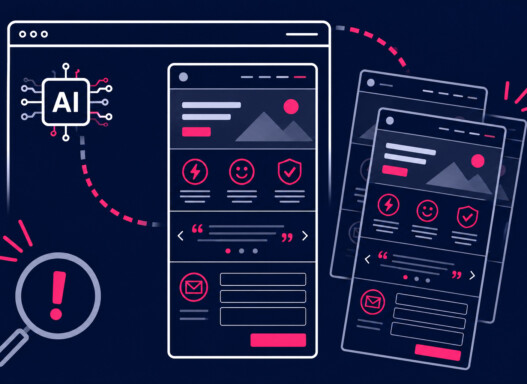
UX (user experience) is a strategy guide that focuses on the best ways to create an experience people enjoy using. Web designers are responsible for creating those experiences through user interfaces (UIs).
The lines between UX and web design continue to blur as both disciplines continue evolving alongside each other. While we’re on this path together, it’s important to understand how these fields differ from one another so you can make informed decisions about how you want your work integrated into your project—and what types of skills are necessary for success in each area.
Understanding the differences between web design and UX will help you develop a digital strategy that suits your business.
So, what is UX? It’s not just about creating great-looking websites or apps: it’s all about crafting compelling experiences for users—engaging them, helping them accomplish their tasks, and making them happy to be using your product or service. A good user experience is one that feels natural and intuitive—something they\’ll get into quickly without having to learn how things work.
The term ‘user experience’ can be hard to pinpoint. At its core it means taking into account how someone interacts with an interface in order to achieve something on the screen. Think of web design as being similar to architecture: UX would be the interior layout plan that gets people from point A (the entrance) through various rooms (pages), upstairs (navigation bar) and finally out again at point B (the exit).

Web designers create “user interfaces”.
Web designers are responsible for the overall look, style and functionality of a site. They design the layout and create graphic elements like buttons and icons. The UI designer helps them make sure that their design is consistent with the other parts of your site (e.g., doesn’t have conflicting styles). They’re also responsible for creating navigation that makes sense within the context of your site’s purpose or industry; they should understand how users will interact with it so they can create an intuitive user experience.
It’s important to note here that while everyone agrees on what constitutes good UX design, there isn’t much consensus when it comes to what exactly makes up good web design. You’ll find some people who think all you need to do is “make things pretty” while others believe in absolute minimalism where nothing distracts from your content—or anywhere in between those extremes.
UX is a strategy guide.
By its very definition, UX is a strategy guide. UX designers have one goal in mind: to create an experience that’s intuitive and seamless for all users. The user should never feel lost or confused when using your website or app—UX plays a vital role in making sure this happens.
A good UX design will lead your users down the path you want them to take. You do this by guiding them through steps and you answer any questions they may have along the way. This process can be as simple as making sure there are plenty of clear calls to action on every page of your site or as complex as creating an entirely new method of interaction between the user and product (think voice commands).
UX is about creating an experience people enjoy.
UX stands for “user experience.” It’s about creating an experience that people enjoy and remember—one that makes their lives easier, better and happier.
If you have an unpleasant experience with a website, app or device, then your perception of its usability will be less positive than if you had a positive experience with it.

Good UX requires an understanding of psychology.
To create experiences that people enjoy, you need a good understanding of psychology. There are certain principles of UX that help deliver a better experience by focusing on user effort, attention span, perpetual habit and more.
Conclusion
Web design and UX will continue to evolve together. By understanding the differences between web design and UX, you can create a digital strategy that suits your business. If you need help building a digital strategy that focuses on user experience, reach out to us. We can help.